

Solar Power: Benefits and Drawback
Solar power has rapidly emerged as a cornerstone of clean energy worldwide. It is among the fastest-growing renewable energy sources and one of the cheapest ways to generate electricity. In simple terms, solar power harnesses energy from sunlight using photovoltaic panels or solar thermal collectors to produce usable electricity. Like any energy technology, it comes with both advantages and drawbacks, but the solar power benefits are increasingly shaping the global energy transition. In this expert overview, we will explore the key benefits and challenges of solar energy. We will also answer common questions, such as What are the benefits and harms of solar energy? Is solar power profitable? Are solar panels truly useful?
What Are the Benefits of Solar Power?
Clean, Renewable Energy: Solar power is a renewable resource that will not run out as long as the sun shines. Generating electricity from solar panels produces virtually no greenhouse gas emissions in operation. In fact, over its life cycle, solar energy’s carbon footprint is insignificant compared to fossil fuels. A coal-fired plant emits about 25 times more CO₂ than a solar farm to produce the same energy, and even natural gas plants emit roughly 10 times more. These solar power benefits make it a climate-friendly solution for reducing pollution and combating global warming.
Abundant and Widely Available
Sunlight is the most abundant energy source on Earth. Only a tiny fraction of the solar radiation hitting the planet could meet all human energy needs. Practically every region receives some sunlight, so solar power can be harnessed nearly anywhere, even in cloudy conditions. For example, just 1.5 hours of sunlight reaching Earth could power the world’s energy consumption for an entire year. This immense abundance means solar energy has huge long-term potential.
Low Operating Costs: Once installed, solar panels have very low operating and maintenance costs. There are no fuel expenses because sunlight is free. Modern solar PV systems are highly durable, often lasting 25–30 years with minimal efficiency loss. Aside from periodic cleaning and inspections or inverter replacements, ongoing costs are minor. This gives solar installations a stable cost profile and insulation from volatile fossil fuel prices. Over time, solar can considerably lower electricity bills for businesses and homeowners, especially after the initial investment is paid off.
Rapidly Improving Technology & Costs: Solar technology has seen dramatic improvements in efficiency and price. Typical commercial solar panels now convert about 15–20% of sunlight into electricity, and new designs continue to push this higher. At the same time, economies of scale and innovation in manufacturing have caused solar panel costs to plummet. Large-scale solar projects now offer the cheapest electricity in history. Over the last decade, the average cost of solar PV modules fell roughly 85%, outcompeting even the cheapest fossil fuels. These trends make solar power increasingly accessible and cost-effective.
Energy Independence and Security: Solar installations allow nations, companies, or homeowners to produce their own power, reducing reliance on imported fuels and improving energy security. Distributed solar, such as panels on buildings, can diversify the energy supply and make the power grid more resilient. In remote areas or developing regions, solar power provides electricity access without the need for expensive grid expansions. Additionally, on-site solar combined with battery storage can keep critical facilities running during grid outages, enhancing reliability.
"With 1–4 years of operation, a solar panel can generate all the energy used to manufacture it – meaning over 90% of its lifetime output is pure, clean energy profit."
In summary, the benefits of solar power include its cleanliness and low emissions, unlimited renewable supply, decreasing costs, and the flexibility to deploy at small or large scale. These advantages have driven its widespread adoption, from residential rooftops to massive utility-scale solar farms powering tens of thousands of homes.
What Are the Disadvantages of Solar Power?
Despite its many upsides, solar energy also has several drawbacks and limitations that are important to consider:
High Initial Costs: One of the recognized solar power disadvantages is the substantial upfront capital required for utility-scale projects. Developing a large solar power plant involves investments in panels, inverters, mounting systems, grid connections, and construction. In some cases, energy storage solutions such as batteries are included, which can enhance flexibility and increase the overall value of the project. While the initial financial commitment is significant, declining technology prices and long-term operational savings make solar an increasingly attractive option. For investors and project developers, the upfront cost is best seen as a foundation for stable returns, stronger energy security, and alignment with global sustainability goals.
Intermittency and Weather Dependence: Solar panels only produce power when sunlight is available. This means output fluctuates with weather and daily/seasonal cycles. No electricity is generated at night, and production is reduced on cloudy or rainy days. In regions with long, dark winters or frequent overcast skies, solar’s capacity factor (actual output vs. maximum) is relatively low. For instance, countries at northern latitudes receive much less winter sun, so solar alone might not meet year-round energy demand. Grid operators must manage this intermittency by supplementing solar with other power sources or energy storage. Until efficient large-scale storage is more widespread, solar power’s variability remains a challenge for grid reliability and always-on power needs.
Geographical and Space Constraints: The efficiency of solar energy varies by location. Some areas (like deserts or tropical regions) receive intense sun, while others (far north/south) get weaker sunlight especially in winter. Additionally, solar power plants require significant land area if deployed as large farms. To power ~1,000 homes, a solar farm might need on the order of 32 acres of land. Meeting a large portion of national electricity demand with solar would thus use vast tracts of land. This raises concerns about land use and habitat disruption, especially if installations compete with agriculture or natural ecosystems. Rooftop solar alleviates this by using existing structures, and creative approaches like floating solar farms or agrivoltaics (combining solar with crops) can help, but land availability is still a factor in large-scale solar deployment.
Environmental Impact and Panel Waste: While solar energy is far cleaner than fossil fuels, it is not entirely impact-free. Manufacturing solar panels and other components involves mining and processing of materials like silicon, silver, and sometimes hazardous substances (e.g. in certain thin-film panels). This process does consume energy and creates some emissions and waste. Moreover, at the end of their 25+ year lifespan, solar panels need to be disposed of or recycled. If not handled properly, large volumes of decommissioned panels could become an e-waste challenge. Solar power systems could cumulatively generate around 78 million tonnes of waste from retired panels and equipment by 2050. Developing efficient recycling programs and safer material compositions for panels will be important to ensure solar’s long-term sustainability. That said, initiatives are already underway to improve solar panel recycling and reuse, mitigating this issue.
In summary, the main disadvantages of solar power are its dependency on sunlight (causing intermittent supply), the need for upfront investment, and certain environmental/resource impacts in manufacturing and large-scale deployments. No energy source is perfect, and solar is no exception. However, many of these drawbacks can be managed or minimized through technological improvements, smart planning, and hybrid energy solutions (for example, pairing solar with wind, storage, or backup generators).
Is Solar Power Profitable?
One of the most frequent questions is whether investing in solar energy makes financial sense. The answer is that solar power can be very profitable in the long run, although the exact economics depend on the project and market conditions. Thanks to the steady decline in panel prices and continued efficiency gains, the cost of solar electricity per kilowatt-hour is now competitive with, and often lower than, new fossil fuel generation in many regions. This shift has positioned solar as a mainstream energy investment rather than a niche technology.
For businesses and utilities, utility-scale solar farms can provide attractive returns while supporting long-term energy security and sustainability goals. The combination of predictable fuel-free production, steadily improving technology, and growing demand for clean power makes solar projects increasingly appealing to investors and developers seeking stable value creation.
Profitability is also shaped by project design and implementation. Factors such as optimal panel orientation, adequate system sizing, and careful site selection are essential to maximizing performance and ensuring expected returns. Thorough feasibility studies and financial assessments are typically conducted before committing to large-scale projects, giving investors confidence in both the technical and economic outcomes.
Overall, Independent academic research also supports these conclusions. A recent peer-reviewed study published in Applied Energy explores long-term cost projections for solar power across different markets and scenarios, highlighting why solar is increasingly seen as a sustainable and profitable investment pathway.
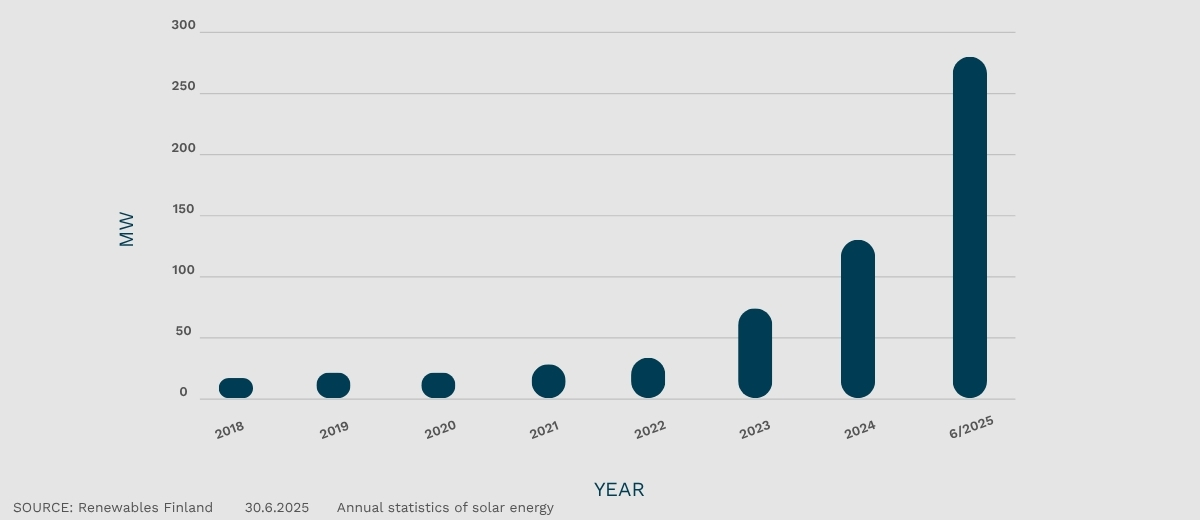
Cumulative industrial-scale (over 1 MW) solar power capacity (MW)
Are Solar Panels Useful and Worth It?
Beyond economics, some wonder whether solar panels are truly effective and beneficial in practice, especially in locations that are not sunny year-round. The short answer is yes, solar panels are definitely useful when properly applied, even in relatively cloudy or northern climates. Their usefulness can be evaluated in a few dimensions:
Energy Yield in Various Climates: Thanks to long summer days, even high-latitude countries can achieve solid energy yields from solar. For instance, in Finland with its dark winters, well-designed solar panel systems still produce annual output comparable to installations in Northern Germany. The bright summer months and cool temperatures, which actually improve PV efficiency, compensate for the low winter sun. Modern solar panels are also able to capture diffuse light, so they generate power on overcast days, albeit at reduced output. While solar might not supply 100% of energy needs in such climates, it can still make a meaningful contribution to the energy mix and reduce electricity costs and carbon emissions. In regions closer to the equator or with sunnier weather, solar panels are even more productive and worthwhile.
Environmental and Social Benefits: Solar panels enable individuals and organizations to participate in the clean energy transition. By generating your own solar electricity, you directly cut down demand for grid power generated by fossil fuels, thereby lowering pollution. Over its lifetime, a single residential solar installation can offset many tons of CO₂. Beyond emissions, solar panels consume no water and create no air pollution during operation, unlike coal or gas plants. Widespread adoption of solar thus yields cleaner air and conserved water resources. There are social benefits too: growth in the solar industry has led to new jobs in manufacturing, installation, and maintenance of solar equipment. Innovation in solar technology also drives progress in related fields like energy storage and smart grid systems.
Energy Independence and Resilience: Solar panels give users a measure of energy independence. A home or facility with solar and possibly battery backup can keep essential devices running during grid blackouts. Communities that invest in solar arrays become less vulnerable to fuel price spikes or supply disruptions. This self-sufficiency can be particularly beneficial for remote areas, emergency facilities, and anyone aiming to be more self-reliant with energy. In this way, solar panels are not just an environmental asset but also a resilience tool.
All things considered, solar panels are absolutely worth it for many applications, provided they are thoughtfully integrated. They deliver tangible benefits in cost savings over time, environmental impact reduction, and energy security. Of course, it is wise to assess each specific case on its merits. Factors like roof condition, sunlight exposure, local electricity tariffs, and financing options will affect the outcome. With costs at all-time lows and performance better than ever, solar PV technology has proven itself effective across a range of scenarios from small homes to large industrial plants.
"Every energy source has its pros and cons, but solar power’s undeniable potential and real-world benefits make it one of the most promising solutions for a sustainable energy future."
Conclusion: Making the Most out of Solar Power - Get expert Help
In conclusion, solar power offers a compelling mix of benefits and drawbacks. On the upside, it provides clean and renewable energy that can curtail greenhouse emissions and foster energy independence, often at increasingly competitive costs. On the downside, it faces challenges like intermittent output and upfront investment hurdles, and it must be deployed thoughtfully to manage land use and end-of-life panel recycling. Crucially, many of solar’s limitations can be mitigated with smart engineering and hybrid solutions, for example by using battery storage to cover night-time gaps or by combining solar with other renewable sources.
If you are considering solar energy for your business or community, it pays to approach it with sound expertise. Designing an optimal solar power system requires evaluating site conditions, energy needs, regulations, and economic incentives. Despro’s renewable energy experts can guide you through this process. With extensive experience in solar power design, project development, and engineering, Despro can help craft a solar solution that maximizes the benefits, such as high energy yield and strong ROI, while addressing the challenges, such as grid integration and permitting.
Harness the power of the sun to drive your operations forward, and let our team at Despro ensure your solar investment is engineered for success. Contact Despro’s specialists today to discuss how solar power could work for you and to take the next step toward a sustainable energy future.
FAQ - Frequently Asked Questions
Yes – while solar panels are most productive in sunny regions, they still generate meaningful electricity even in northern countries like Finland or Germany. Thanks to long summer days, cool temperatures, and modern panel technology that captures diffuse light, solar power remains effective even in less sunny climates.
The typical payback period for residential solar panels ranges from 7 to 12 years, depending on local electricity prices, incentives, and sunlight conditions. For commercial systems, the return on investment can be even faster – often within 5 to 10 years.
The key drawbacks of solar power include high upfront costs, weather-dependent output, land use for large-scale installations, and end-of-life panel waste. However, many of these challenges can be addressed with better system design, storage solutions, and recycling programs.
Absolutely. Solar power produces virtually no emissions during operation, and over its lifetime, a solar panel offsets far more CO₂ than was emitted during its manufacturing. It’s one of the most climate-friendly energy sources available today.

CONTACT US
Free Consultation
Heidi Pösö explains the key considerations for solar power design and construction in a free consultation. You will also receive a clear action plan for the critical stages of the project’s lifecycle. This ensures you are well-prepared for a successful project execution.